


Introduction
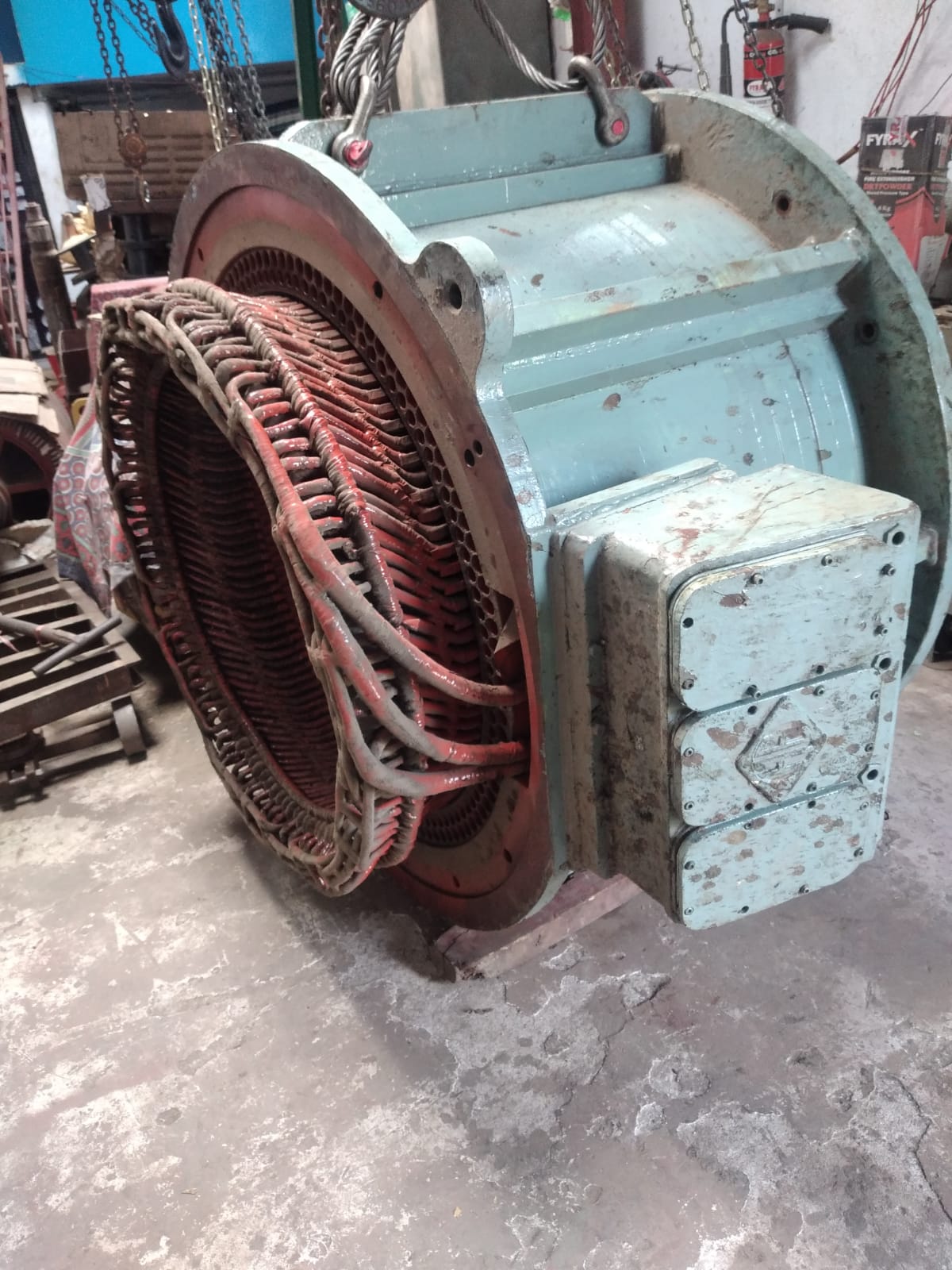
HT motors are vital for industries such as power generation, steel, cement, and heavy manufacturing. These motors operate under high voltage and continuous load conditions, making them prone to insulation aging and winding stress over time.
When HT motors fail, professional rewinding becomes essential. A properly executed rewinding process can restore performance, reduce power losses, and significantly extend the motor’s operational life.
At DEBELEC, we provide expert HT motor rewinding service in India, ensuring reliability, efficiency, and compliance with industrial standards.
Why HT Motor Rewinding Requires Specialized Expertise
HT motors typically operate at 3.3 kV, 6.6 kV, or 11 kV. At these voltages, even minor insulation defects can lead to serious failures.
Improper rewinding may cause overheating, partial discharge, or frequent tripping. This is why HT motor rewinding must be handled by experienced professionals using tested procedures and high-quality materials.
Key Tips to Improve Efficiency and Lifespan
1. Thorough Pre-Rewinding Diagnosis
Before rewinding, motors must undergo insulation resistance (IR), polarization index (PI), and surge testing. These tests help identify winding faults, insulation deterioration, and electrical imbalance.
Root cause analysis is critical. Without identifying the original reason for failure, rewinding alone will not ensure long-term reliability.
2. Use of High-Quality Insulation Materials
Modern HT motor rewinding uses Class F or Class H insulation systems. Mica-based insulation provides high dielectric strength and excellent thermal resistance.
Superior insulation directly improves efficiency and reduces the risk of insulation breakdown during operation.
3. Accurate Winding Data Preservation
Recording coil pitch, turns per coil, conductor size, and winding layout is essential before removing old windings.
Any deviation from original design parameters can negatively affect current balance, torque output, and efficiency.
4. Core Testing and Lamination Inspection
Damaged stator cores increase iron losses and heat generation. Core testing helps detect hot spots and lamination faults before new winding installation.
Correcting core issues improves motor efficiency and reduces operating temperature.
5. Vacuum Pressure Impregnation (VPI)
VPI ensures complete resin penetration into windings. This eliminates air pockets, improves mechanical strength, and protects against moisture ingress.
VPI-treated motors offer longer insulation life and higher reliability.
6. Final Testing and Dynamic Balancing
Post-rewinding, motors must undergo HV testing, winding resistance checks, and vibration analysis.
Dynamic balancing reduces mechanical stress and ensures smooth, efficient operation.
Why Choose DEBELEC
DEBELEC delivers reliable industrial motor rewinding services in India backed by skilled technicians, advanced testing facilities, and strict quality control.
FAQs
Q1. Can rewinding improve HT motor efficiency?
Yes, professional rewinding with upgraded insulation often restores or improves efficiency.
Q2. How long does HT motor rewinding take?
Typically 7–15 days, depending on motor rating and site conditions.
Q3. Is VPI necessary for HT motors?
Highly recommended for long-term insulation reliability.
Q4. Does DEBELEC offer on-site rewinding?
Yes, we provide in-situ HT motor rewinding across India.